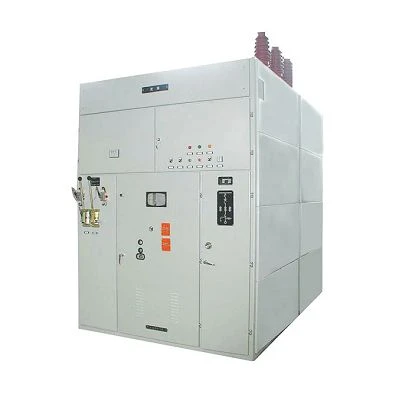
When it comes to transformers, many people's first thought might be oil-immersed transformers, but there's another type called dry-type transformers!
The "dry" in dry-type transformers doesn't mean they don't have oil; it refers to their cooling method!
Dry-type transformers are playing an increasingly important role in China's power sector. From simple lighting to high-rise buildings, from airports to dock cranes, and even residential electricity, they can be found in all walks of life.
There are two main cooling methods for dry-type transformers: natural air cooling (AN) and forced air cooling (AF). With natural air cooling, the transformer can operate continuously at its rated capacity for extended periods, while with forced air cooling, the transformer's output capacity can increase by 50%! However, it's important to note that prolonged continuous use under overload conditions can affect economical operation.
Dry-type transformers primarily rely on air convection for cooling and are commonly used in local lighting and electronic circuits. Transformer oil, on the other hand, is typically found only in oil-immersed transformers. The most obvious difference between dry-type and oil-immersed transformers is the presence or absence of oil!
Dry-type transformers, these little giants, are widely used in our production and daily lives due to their unique advantages. Are you familiar with them? Share your thoughts in the comments section!