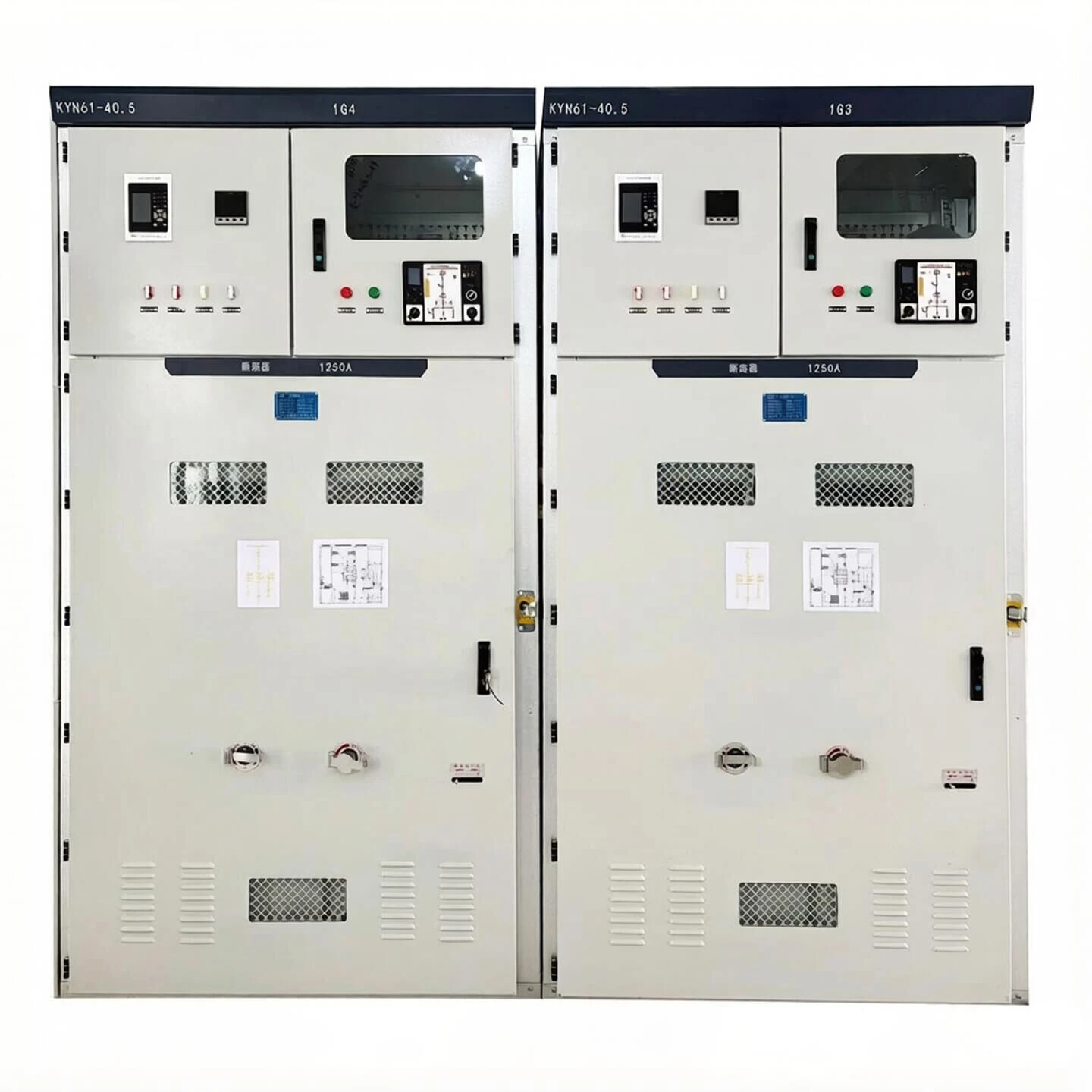
The voltage change per tap on a dry-type transformer is not a fixed value. It depends on the transformer's design parameters, the type of tap changer, and the specific application.
Generally, the tap changer on a dry-type transformer is used to adjust the transformer's output voltage to adapt to fluctuations in the mains voltage or to meet the needs of a specific load. The adjustment range of the tap changer is usually indicated by tap positions, each corresponding to a specific voltage change. In common dry-type transformer designs, the adjustment range of the tap changer may be within ±5%. The specific voltage change per tap depends on the transformer's rated voltage and the total number of tap positions. For example, for a dry-type transformer with a rated voltage of 10kV, if the tap changer is designed with an adjustment range of ±5% and has 5 taps (including the rated voltage tap), then the voltage change per tap is approximately 1% of the rated voltage (i.e., about 100V). However, this is only a rough estimate, and the actual change may vary depending on the transformer model, manufacturer, and specific design. Some dry-type transformers may have more sophisticated tap changes with more taps and smaller voltage variations per tap; others may have fewer taps and larger voltage variations per tap. Furthermore, tap changer adjustments must consider factors such as the transformer's load conditions, the stability of the grid voltage, and whether the adjusted voltage meets the load requirements. Therefore, in practice, tap changer adjustments for dry-type transformers should be performed by qualified personnel to ensure the safety and effectiveness of the adjustment. Following the adjustment, necessary tests and monitoring should be conducted to verify the effect and ensure the transformer's normal operation.