
ZHS Series Electric Furnace Transformer Product Manual
Product Overview
- This series of ZHS electric furnace transformers are specialized step-down transformers designed specifically for high-temperature electric furnace equipment in industrial smelting, electrothermal smelting, resistance heating, electric arc furnaces, submerged arc furnaces, induction furnaces, and other applications . They are designed and manufactured strictly in accordance with industry standards GB1094.1~1094.5 "Power Transformers" and JB/T9640 "Electric Arc Furnace Transformers." Unlike ordinary distribution transformers, these products possess core characteristics such as low-voltage high-current operation, multi-stage voltage regulation, impact resistance, overload resistance, short-circuit resistance, and strong vibration resistance . They are suitable for harsh operating conditions such as frequent start-stop cycles, impact loads, short-term overloads, and high-current arc ignition in electric furnaces, making them core power supply equipment for electric furnace systems in industries such as metallurgy, casting, chemicals, carbon, and metal smelting.
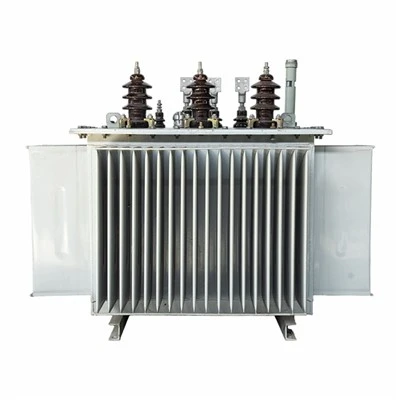
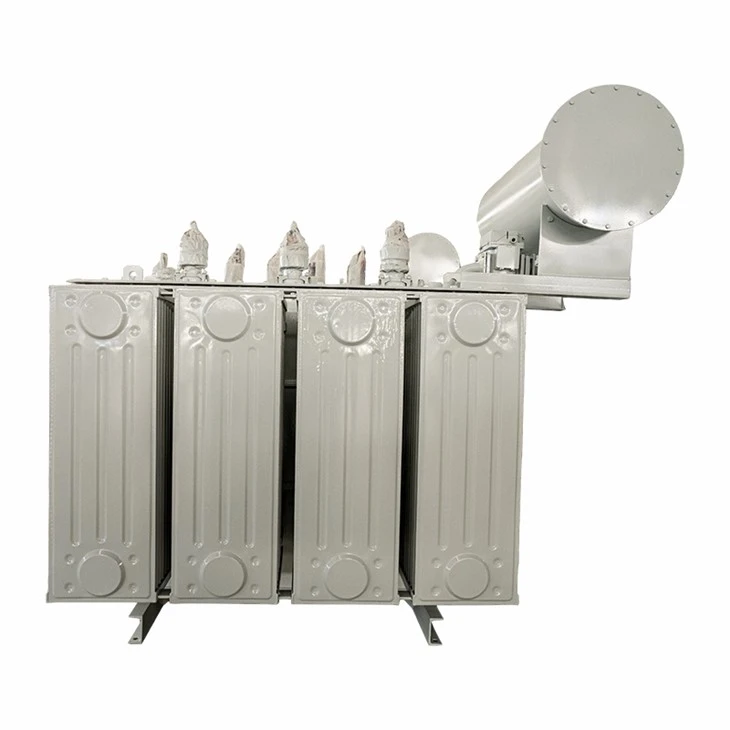
- This product adopts an oil-immersed self-cooling/forced air-cooling structure, with a high-permeability silicon steel core and thickened oxygen-free copper windings. It boasts high overall mechanical strength, strong impact resistance, and a wide voltage adjustment range. The low-voltage output voltage and current can be flexibly adjusted according to the smelting process requirements, meeting the needs of different production processes such as ore smelting, metal melting, heat treatment, and more. The equipment operates stably, has strong overload capacity, and a long service life, making it suitable for long-term adaptation to continuous, high-intensity industrial production conditions.

Model Meaning
ZHS - □ / 10
- Z: Rectifier/Electric Furnace Dedicated
- H: Oil-immersed self-cooling type
- S: Three-phase structure
- □: Rated capacity (kVA): 100~10000kVA
- 10: Rated high voltage 10kV (35kV optional)
Main Technical Parameters
|
Serial Number |
Technology Projects |
Parameter Indicators |
|
1 |
Rated frequency |
50Hz |
|
2 |
High voltage rated voltage |
10kV / 35kV (optional) |
|
3 |
Low voltage rated voltage |
50V~1000V (multiple adjustable levels, compatible with various electric furnaces) |
|
4 |
Low voltage output characteristics |
High current, low voltage, constant current output characteristics |
|
5 |
Voltage regulation method |
Non-excitation multi-level voltage regulation / On-load electric voltage regulation (optional) |
|
6 |
Pressure adjustment gear |
Adjustable from 5 to 15 levels to meet the needs of stepped smelting processes. |
|
7 |
Cooling method |
ONAN oil-immersed self-cooling / ONAF forced air cooling |
|
8 |
Insulation class |
Class A insulation |
|
9 |
Temperature rise limit |
Winding temperature rise ≤65K, oil temperature rise ≤55K |
|
10 |
Short-term overload capacity |
Short-term operation at 1.5 times rated load, suitable for arc-starting impact loads. |
|
11 |
Short circuit withstand capability |
The winding structure is reinforced to withstand frequent short circuits and arcing impacts in the electric furnace. |
|
12 |
noise level |
≤60dB (rated operating conditions) |
|
13 |
Protection level |
IP23 (suitable for industrial plants) |
|
14 |
Operating ambient temperature |
-20℃~+45℃ |
Core Structure and Functional Description
■ High-strength iron core structure
The core of this electric furnace transformer is made of high-permeability, low-loss cold-rolled grain-oriented silicon steel sheets, stacked together using a fully oblique joint, multi-stage step-laminated lamination process. This results in uniform magnetic circuit distribution, low no-load loss, and low excitation current. The core is integrally clamped and fixed with a high-strength steel structure, providing excellent shock and vibration resistance. It effectively withstands frequent impact loads and equipment vibrations during the electric furnace smelting process, preventing problems such as core loosening, abnormal noise, and abnormal temperature rise. Long-term operation ensures stable magnetic performance without aging or degradation.
■ Impact-resistant high-current winding
The windings are the core special structure of the electric furnace transformer. The high-voltage winding adopts a multi-layer cylindrical structure with layered insulation and strong withstand voltage performance. The low-voltage winding is made of thickened oxygen-free copper busbars/copper foil , with a large cross-section, strong current carrying capacity, and extremely low resistance, specifically adapted to the low-voltage, high-current operating characteristics of electric furnaces. The entire winding undergoes vacuum impregnation and high-temperature curing treatment, resulting in a dense and robust insulation layer with extremely high mechanical strength. It can withstand electric furnace arc initiation, short circuits, and impact loads, eliminating faults such as winding deformation, inter-turn short circuits, and insulation breakdown, perfectly adapting to the high-intensity industrial smelting conditions.
■ Multi-level voltage regulation system (core of process adaptation)
The equipment is equipped with a dedicated multi-position off-grid tap changer (with optional on-load electric voltage regulation), offering far more taps than ordinary distribution transformers, enabling precise step-by-step adjustment of the low-voltage output voltage. It flexibly adjusts the output voltage and current to meet the power requirements of different process stages in the electric furnace, including arc initiation, melting, refining, and heat preservation , solving the problem of a single voltage being insufficient for multi-process production. This effectively improves smelting efficiency, reduces energy consumption, stabilizes furnace temperature, and is suitable for various metal smelting, heat treatment, and electrothermal processing technologies.
■ Heat dissipation and sealing system
The main body adopts a fully sealed oil tank structure, using national standard special high-temperature resistant transformer oil, which has excellent insulation, arc extinguishing, and heat dissipation performance. Under normal conditions, it operates using an oil-immersed self-cooling method, relying on natural oil circulation for heat dissipation; under high load and continuous production conditions, a forced air cooling system can be activated to accelerate heat dissipation and prevent overheating problems during long-term full-load operation. The oil tank has tight welds and excellent sealing performance, effectively preventing the intrusion of dust, water vapor, and corrosive gases, making it suitable for the harsh production environment of metallurgical workshops with high dust and corrosion.
■ Dedicated Protection and Configuration
The equipment comes standard with a full set of protective accessories, including high and low voltage insulating bushings, pressure relief valves, oil temperature measuring bases, oil drain sampling valves, and grounding terminals. Optional features include online oil temperature monitoring, over-temperature alarms, over-temperature tripping, and gas protection. These features allow for real-time monitoring of equipment operation and timely shutdown in case of overload, over-temperature, short circuit, or internal faults, preventing equipment burnout or explosion accidents and ensuring continuous and stable operation of the electric furnace production line.
Scope of Application
1. Dedicated power supply for industrial electric arc furnaces, submerged arc furnaces, induction melting furnaces, and resistance heating furnaces;
2. Metal smelting and refining production lines for steel, non-ferrous metals, alloys, silicon materials, carbon, and other metals;
3. Power supply for industrial electric heating equipment used in mechanical casting, heat treatment, quenching, and annealing processes;
4. High-temperature heating and sintering production equipment for chemical, new material, and refractory materials industries;
5. Power supply scenarios for all industrial electric furnaces that require low voltage, high current, multi-level voltage regulation, and resistance to impact loads .
Installation and Usage Instructions
■ Installation Environment Requirements
1. The equipment should be installed indoors in an industrial plant or under a canopy, in a well-ventilated area with good drainage, away from open flames, sources of violent vibration, and highly corrosive media.
2. The installation foundation should be flat and firm, with a load-bearing capacity sufficient for the full load weight of the equipment. The equipment should be securely fixed to the ground to prevent displacement, tilting, or vibration during operation.
3. The equipment must be independently and reliably grounded with a grounding resistance of ≤4Ω to ensure the safety of the equipment and personnel and to prevent the accumulation of static electricity and the risk of leakage.
4. Reserve sufficient space for heat dissipation and maintenance access. Do not obstruct the radiator or block the ventilation area to ensure heat dissipation effect.
■ Pre-installation inspection
1. Check that the equipment is in good condition, the oil tank is not deformed or leaking, the bushing is not cracked or damaged, and the accessories are complete and in good condition;
2. Verify that the equipment model, capacity, high and low voltage, and voltage regulation parameters match the production process;
3. The transformer oil level is normal, the oil is clear, and there is no turbidity, impurities, or water accumulation.
4. Use a 2500V megohmmeter to test the insulation resistance of the high and low voltage windings. The insulation values are qualified and there is no risk of grounding or short circuit.
5. Check that the tap changer is flexible in its position and securely locked, and that all terminals are firmly secured without any looseness.
■ Wiring and Power-on Specifications
1. Strictly follow the equipment schematic diagram and phase sequence requirements when connecting the high-voltage inlet and low-voltage outlet. Ensure that the low-voltage high-current terminals are firmly and securely fastened to prevent loose connections, overheating, and arcing.
2. Working ground and protective ground shall be laid separately, and the grounding connection shall be firm and reliable. It is strictly forbidden to mix ground and neutral ground or to make loose grounding connections.
3. Voltage adjustment must be performed after complete power off, voltage testing, and full discharge . Adjust the corresponding setting according to the smelting process, lock the switch after adjustment, and check the three-phase voltage balance.
4. After the equipment is powered on for the first time, it shall be run under no-load for 4 hours. Check that there are no abnormal noises, no leaks, no abnormal temperature rises, and that the voltage is stable. Only after no abnormalities are found can it be run under load.
5. During production, switch gears reasonably according to the smelting stage, and prohibit frequent start-stop and long-term overload impact operation.
Maintenance and Care
1. Daily inspection: Check the equipment oil level, oil temperature, and operating noise daily. There should be no abnormal vibration, no oil leakage, no bushing discharge or arcing, and the low-voltage output current and voltage should be stable.
2. Monthly maintenance: Clean dust and oil stains from the surface of the bushings and radiators, tighten the high and low voltage terminals, check the grounding reliability, and test the oil temperature monitoring and alarm functions;
3. Quarterly maintenance: Sample and test the insulation performance of transformer oil, verify the operational flexibility of tap changer, and check the sealing condition and heat dissipation of the oil tank;
4. Annual maintenance: Conduct comprehensive testing of winding insulation resistance and DC resistance, verify the operating accuracy of protection devices, replace aging seals and deteriorated oils in a timely manner, and investigate potential fatigue hazards in the equipment.
5. When the equipment is in continuous production for a long period of time, the maintenance cycle should be shortened, and the focus should be on checking for problems such as overheating of high current wiring parts, wear of switch contacts, and aging of oil.
Troubleshooting Common Faults
|
Fault phenomenon |
Cause of the fault |
processing method |
|
Abnormal noises and severe vibrations during operation |
Loose iron core, excessive load impact, poor contact of gear position, loose wiring |
Tighten the iron core and fixing components, standardize start-stop operations, readjust the locking tap changer, and tighten the wiring terminals. |
|
Unstable low-voltage current and insufficient power |
Low voltage setting, poor contact, fluctuating mains voltage, loose wiring causing overheating |
Re-match process settings, inspect switch contacts, tighten high-current wiring, and stabilize incoming power supply. |
|
Oil temperature too high, frequent over-temperature alarms |
Long-term overload smelting, dust accumulation and blockage in radiators, aging oil, and poor ventilation |
Reasonably control production load, clean dust accumulation in heat dissipation systems, replace insulating oil, and improve factory ventilation and heat dissipation. |
|
Oil seepage and leakage from the enclosure |
Sand holes in welds, aging gaskets, loose valves, and damaged sleeve seals |
Tighten loose valves, replace worn seals, and repair leaks by welding. |
|
Low insulation resistance, slight discharge |
Equipment contamination and moisture, decreased oil insulation, and aging bushings causing creepage. |
Clean the bushings and equipment surfaces, dry the equipment, and filter or replace the transformer oil. |
Safety Precautions
1. Equipment installation, voltage regulation, maintenance, and sampling testing must be carried out by certified high-voltage electricians, and high-voltage electrical safety operating procedures and industrial electric furnace safety specifications must be strictly followed.
2. During the operation of the equipment while it is energized, it is strictly forbidden to approach the energized parts such as bushings, terminals, and the top of the oil tank. It is also strictly forbidden to open the cover, disassemble parts, or wipe the equipment. Any violation of regulations must be strictly prohibited.
3. All maintenance, pressure adjustment, oil change, and cleaning operations must strictly follow the procedures of power disconnection, voltage testing, grounding, and discharge to prevent electric shock from residual high voltage and burns from electric arcs.
4. It is strictly forbidden to operate the equipment beyond the specified gear, overload, or overtemperature. It is also strictly forbidden to alter the voltage regulating structure, short-circuit protection device, or equipment wiring without authorization.
5. Electric furnace production is frequently started and stopped, so it is necessary to standardize the operating procedures to avoid long-term short circuit impacts and fatigue damage to the equipment caused by frequent start and stop.
6. Regularly check the integrity of the grounding system, and strengthen inspections during peak production seasons such as thunderstorms and high temperatures to prevent accidents such as leakage, short circuits, and fires.
Product Warranty
This product is manufactured and inspected in strict accordance with national power and industry standards for special transformers. Before leaving the factory, it undergoes comprehensive testing, including turns ratio testing, insulation testing, no-load and load testing, withstand voltage testing, temperature rise testing, and tap change testing, to ensure its suitability for the harsh operating conditions of industrial electric furnaces. The product comes with a 24-month warranty. During the warranty period, the manufacturer will provide free repair and replacement of parts for equipment leakage, performance failures, and structural defects caused by non-human-caused damage and force majeure. Faults caused by unauthorized modifications, improper voltage regulation, overload impact operation, human-caused damage, neglect due to harsh environments, and natural disasters are not covered by the warranty.
Hot Tags: transformer for electric furnace, China transformer for electric furnace manufacturers, suppliers, factory, ac voltage transformer, cast resin transformer, Dry Cell Transformer, dry type distribution unit, dry type power transformer, submerged arc furnace transformer