Outdoor Photovoltaic Smart Combiner Box Product Manual
Product Overview
Outdoor photovoltaic intelligent combiner boxes are core supporting equipment for photovoltaic power generation systems. Designed and manufactured strictly according to national and industry standards such as GB/T 19964 and IEC62109, they are mainly used in distributed photovoltaic power stations, residential photovoltaic systems, industrial and commercial photovoltaic systems, and outdoor photovoltaic scenarios in mountainous and water-based areas. The equipment primarily collects the DC current from multiple photovoltaic module strings, unifying and connecting it to the inverter. It also integrates functions such as DC overload protection, short-circuit protection, surge protection, and intelligent monitoring, addressing industry pain points such as chaotic current distribution in photovoltaic strings, inability to troubleshoot individual string faults, and weak system lightning protection.
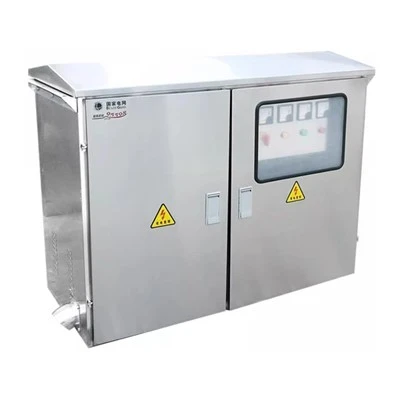
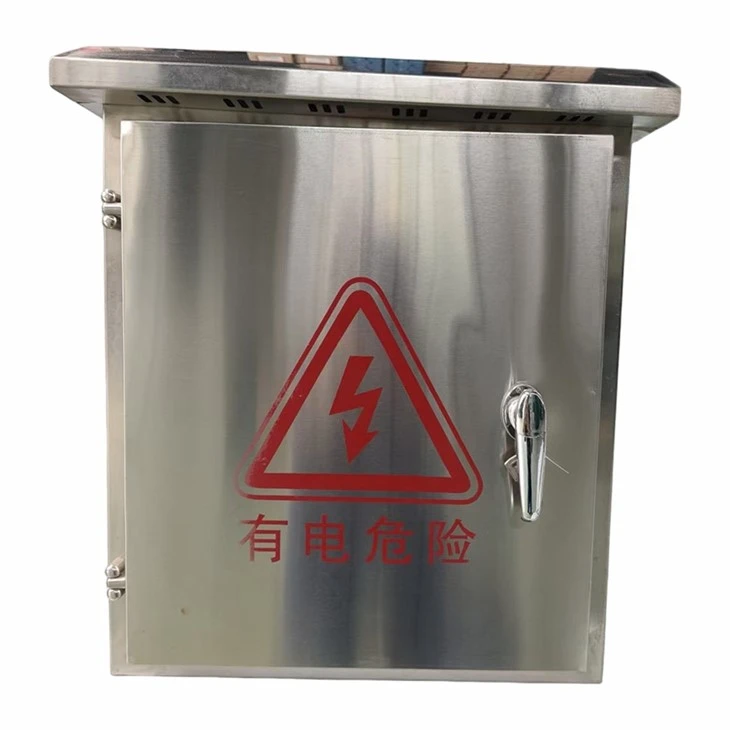
This product uses an outdoor high-strength stainless steel shell and is equipped with DC-specific protection components and an intelligent data acquisition module. It features high protection level, anti-aging, resistance to high and low temperatures, stable operation, and strong maintenance-free characteristics. It can be adapted to harsh outdoor conditions such as open-air, humid, windy, sandy, and strong ultraviolet radiation. It can monitor the working status of each photovoltaic string in real time, greatly improving the operational safety and power generation efficiency of photovoltaic power stations. It is an indispensable basic equipment for photovoltaic grid-connected systems.
Model Meaning
PV - HX - □ / 1000V
- PV: Photovoltaic equipment
- HX: Junction Box
- □: Number of photovoltaic input circuits (4/6/8/12/16 circuits selectable)
- 1000V: Maximum DC operating voltage of the system is 1000V (DC1500V optional).

Main Technical Parameters
|
Serial Number |
Technology Projects |
Parameter Indicators |
|
1 |
System rated voltage |
DC 1000V (standard) / DC1500V (optional) |
|
2 |
Single-channel input rated current |
≤15A |
|
3 |
Number of input loops |
Routes 4/6/8/12/16 (customized options available) |
|
4 |
Total output current |
Matching according to circuit specifications |
|
5 |
Protection level |
IP65 (Outdoor Use Only) |
|
6 |
Short circuit breaking capacity |
20kA/1s |
|
7 |
Lightning protection level |
Level II surge protection |
|
8 |
Operating ambient temperature |
-40℃~+60℃ |
|
9 |
Ambient relative humidity |
≤95% (no condensation) |
|
10 |
Communication methods |
RS485/Wireless 4G (Smart version optional) |
|
11 |
Cabinet material |
304 stainless steel/cold-rolled steel sheet with powder coating |
|
12 |
Grounding resistance requirements |
≤4Ω |
Core Structure and Functional Description
■ DC Fuse Unit (Single String Independent Protection)
Each photovoltaic string input terminal of the equipment is equipped with a photovoltaic-specific DC fuse, which provides independent overload and short-circuit protection for a single photovoltaic module. It is the core safety protection unit of the combiner box. Unlike ordinary power distribution protection devices, it can adapt to the photovoltaic working characteristics of DC high voltage, low overload, and long-term constant current.
Core features :
1. Independent protection per string : Each string is independent of the others. When a single photovoltaic module experiences a short circuit, leakage, or overload fault, the corresponding fuse will blow to protect it individually, without affecting the normal power generation of other strings, thus maximizing the overall power generation efficiency of the power station.
2. DC Dedicated Adaptor : Adopts photovoltaic-specific DC fuse core, with excellent arc extinguishing performance, can quickly cut off DC fault arc, eliminate the risk of ablation and fire caused by continuous burning of DC arc, and is suitable for DC1000V/1500V high voltage DC working conditions.
3. Precise protection threshold : The fuse current parameter matches the rated current of the photovoltaic string, which can accurately identify abnormal current and avoid the problems of false fuse failure during normal power generation fluctuations and leakage protection during fault current. It is suitable for complex outdoor lighting and load fluctuation scenarios.
■ DC Circuit Breaker Unit (Main Circuit On/Off Control)
The combiner box output main circuit is equipped with a dedicated DC circuit breaker, which serves as the main power switch for the entire unit. It is responsible for the on/off control of the DC circuit after the main circuit is connected and for the protection of the main circuit. It is the core control component for equipment operation, maintenance and repair.
Core features :
1. Safety isolation function : After the circuit breaker is tripped, it has a clear break point, which can completely cut off the DC circuit from the combiner box to the inverter, providing safety isolation protection for equipment maintenance, line troubleshooting and component replacement.
2. Main circuit fault protection : It has main circuit overload and short circuit protection functions. When the main output circuit has an overcurrent or short circuit fault, it will quickly trip and cut off the power to protect the downstream inverter and the entire photovoltaic system equipment.
3. Operation under load : Supports opening and closing operations under rated operating conditions with DC load, with clear operation feel and stable mechanical interlocking, suitable for daily start-up, shutdown and maintenance operations of photovoltaic power stations.
■ Secondary lightning protection unit (surge protection)
The equipment has a built-in photovoltaic-specific secondary DC surge protector (SPD) that absorbs and discharges induced lightning and instantaneous surge voltages generated during outdoor thunderstorms, preventing high-voltage surges from damaging photovoltaic modules, controllers, and inverter equipment.
Core features :
1. Full-range voltage protection : The bidirectional lightning protection design of positive and negative poles can effectively absorb instantaneous overvoltage and induced lightning current in the line, clamp the circuit voltage within a safe range, and prevent lightning surges from damaging the precision electrical equipment at the back end.
2. Failure self-test function : The surge protection module has a built-in status indicator window. It is green when it is in normal condition and turns red when it fails or ages. The module's working condition can be judged intuitively without the need for professional testing equipment, which is convenient for daily inspection and replacement.
3. High weather resistance : It is suitable for outdoor high and low temperature and humid environments, anti-aging and impact resistant, and can work stably for a long time, greatly reducing the probability of lightning strike failure of photovoltaic power stations.
■ Intelligent monitoring unit (standard configuration for intelligent models)
The intelligent combiner box is equipped with a high-precision data acquisition motherboard, which can collect real-time operating data such as the operating current, total voltage, total power, and equipment temperature of each photovoltaic string, enabling refined operation and maintenance of the power station.
Core features :
1. Real-time monitoring of single string : Accurately monitors the operating parameters of each string, and can quickly identify faults such as single string obstruction, component damage, line loose connection, and open circuit, solving the pain point of traditional combiner boxes being unable to locate single string faults.
2. Remote data transmission : Supports RS485 communication or 4G wireless transmission, and can be connected to the photovoltaic operation and maintenance platform to realize remote data viewing, fault alarm, and data storage without the need for on-site manual inspection.
3. Automatic fault alarm : When faults such as string abnormality, overvoltage, overcurrent, or lightning protection failure occur, the equipment automatically uploads alarm information, allowing maintenance personnel to promptly investigate and handle the problem, thereby reducing power generation losses.
■ Overall Structural Advantages
The cabinet features an integrated, sealed, and waterproof design, equipped with dedicated waterproof strips, rainproof eaves, and waterproof cable connectors. With an IP65 high protection rating, it effectively prevents dust, water, condensation, and UV aging. Internal components are modularly laid out, with separation of strong and weak current wiring, neat cabling, and ample space for heat dissipation to prevent heat buildup and damage to components. The equipment supports wall mounting and pole installation, adapting to various outdoor photovoltaic scenarios, and is easy to install and maintain.
Scope of Application
1. Household distributed photovoltaic power stations and rooftop photovoltaic power generation systems;
2. Rooftop photovoltaic power stations in industrial and commercial buildings and centralized photovoltaic power stations in industrial parks;
3. Large-scale outdoor photovoltaic power stations in mountainous areas, wastelands, farmland, and water surfaces;
4. Integrated photovoltaic energy storage system and off-grid photovoltaic power supply system;
5. Various DC photovoltaic power distribution scenarios that require multi-channel photovoltaic string merging, lightning protection, and intelligent monitoring.
Installation and Usage Instructions
■ Installation Environment Requirements
1. The installation location should be well-ventilated, free from severe vibration, corrosive gases, flammable and explosive materials, and should avoid prolonged immersion in water;
2. Prioritize installation on the back side of the photovoltaic modules to reduce direct sunlight exposure, lower the internal temperature of the cabinet, and extend the service life of components;
3. The installation height should be no less than 0.5m from the ground. Wall-mounted installations must be firmly fixed, and the cabinet must be vertical and without tilting.
4. The ambient temperature is controlled between -40℃ and +60℃, with no continuous condensation or strong dust accumulation.
■ Installation Steps
1. Equipment fixing: Fix the combiner box to the preset bracket or wall to ensure that the cabinet is stable and does not shake. Ensure proper grounding of the foundation, with a grounding resistance of ≤4Ω.
2. Wiring: Strictly follow the electrical schematic diagram of the equipment, connect the positive and negative cables of each photovoltaic string to the corresponding input terminals, and connect the output cables to the DC input terminal of the inverter. Secure the wiring firmly and ensure proper insulation and waterproof sealing.
3. Preliminary inspection: Confirm that all fuses are intact, the surge protection module is in normal condition, the circuit breaker is in the open position, and all wiring is free from misconnection, loose connection, and short circuit risk.
4. Power-on commissioning: Connect the photovoltaic strings one by one, close the main DC circuit breaker, observe whether the equipment indicator lights and monitoring data are normal, and confirm that each string is normally connected and there are no abnormal alarms;
5. Communication debugging (intelligent model): Connect the communication module, connect to the operation and maintenance platform, and verify that the data upload, remote monitoring, and fault alarm functions are normal.
■ Operating Procedures
1. Start-up operation: After confirming that all wiring is correct, close the main DC circuit breaker. The equipment will automatically enter the working state of current collection, monitoring, and lightning protection.
2. Shutdown operation: Before repairing or replacing components, the main circuit breaker of the combiner box must be disconnected, and the DC side switch of the inverter must be disconnected at the same time. Wait for the capacitor to be fully discharged before proceeding with the operation.
3. Daily operation: The equipment operates fully automatically without manual intervention. Only periodic inspections of equipment status, indicator lights, and platform data are required.
4. It is strictly forbidden to open the cover while the power is on or to plug or unplug the line terminals while the power is on. Violations of regulations regarding live work are strictly prohibited.
Maintenance and Care
1. Routine inspection: Regularly check the integrity of the cabinet's seal and the status of the indicator lights. Check the surge protection module's indicator window and wiring for signs of aging, overheating, or loosening, and ensure there is no water ingress or dust accumulation.
2. Quarterly maintenance: Clean dust and debris inside the cabinet, tighten all wiring terminals, check the integrity of fuses, verify the accuracy of intelligent monitoring data, and check for potential aging of wiring.
3. Annual maintenance: Replace aging waterproof sealant strips and damaged cable joints; test the performance of surge protection modules; replace failed surge protectors and aging fuses; and fully verify the protection and monitoring functions of the equipment.
4. Special inspections before and after the rainy season: Focus on checking the working condition of lightning protection modules and the firmness of grounding lines, and replace failed lightning protection components in a timely manner to prevent lightning strike failures;
5. It is strictly forbidden to alter the wiring of the equipment or replace non-standard fuses and components without authorization. It is also forbidden to operate the equipment under overvoltage or overload conditions.
Troubleshooting
|
Fault phenomenon |
Cause of the fault |
processing method |
|
Single-channel string has no current and does not generate electricity. |
Single-circuit fuse blown, string circuit open, component obstruction or damage, terminal loose connection |
Replace the matching fuse, troubleshoot and repair the string circuit, remove any obstructions from the components, and tighten the terminal blocks. |
|
The total output has no voltage and no current. |
Main circuit breaker tripping, main circuit disconnection, multiple series faults occurring simultaneously |
Reset the circuit breaker, check the main circuit, test the string conditions of each circuit and repair any faults. |
|
Lightning protection module failure alarm |
Lightning surge impact, module aging and end of service life |
Replace the photovoltaic-specific surge protection module with the same model and check if the grounding system is normal. |
|
Intelligent monitoring has no data and communication is interrupted. |
Loose communication lines, faulty data acquisition modules, abnormal power supply |
Tighten the communication cables, restart the data acquisition module, and inspect or replace the fault monitoring module. |
|
Abnormal heating inside the cabinet |
Loose wiring terminals, aging and overloaded components, severe dust accumulation inside the cabinet, and poor heat dissipation. |
Tighten all terminals, clean dust from inside the cabinet, and replace any worn or overloaded components. |
Safety Precautions
1. Equipment installation, commissioning, and maintenance must be carried out by certified electrical professionals, and the photovoltaic DC electrical safety operation procedures must be strictly followed.
2. Photovoltaic systems have high DC voltage and a high risk of being electrified. During equipment operation, it is strictly forbidden to open the cover or touch live terminals and internal components.
3. After the equipment is powered off, there will be residual voltage in the lines and components. Before maintenance, the components must be fully discharged and work can only be carried out after confirming that there is no voltage.
4. It is strictly forbidden to use non-photovoltaic dedicated fuses and surge protection modules, to short-circuit protection circuits, or to modify the equipment structure and wiring without authorization;
5. Maintenance work is prohibited during severe weather such as thunderstorms, strong winds, and blizzards. After the weather subsides, the equipment condition must be inspected and potential faults identified.
6. The equipment must be reliably grounded. The grounding line must not be removed or broken to ensure lightning protection and personal electrical safety.
Product Warranty
This product is manufactured and inspected in strict accordance with national industry standards. Before leaving the factory, it undergoes power-on testing, functional verification, and protection testing, all of which are deemed合格 (qualified/passed). The product warranty period is 18 months. During the warranty period, the manufacturer will repair or replace parts free of charge for equipment failures caused by non-human-caused damage or force majeure events (earthquakes, floods, super typhoons, etc.). Equipment failures caused by human-caused damage, unauthorized modifications, improper operation, or use beyond permitted operating conditions are not covered by the warranty.
Hot Tags: outdoor smart pv combiner box, China outdoor smart pv combiner box manufacturers, suppliers, factory