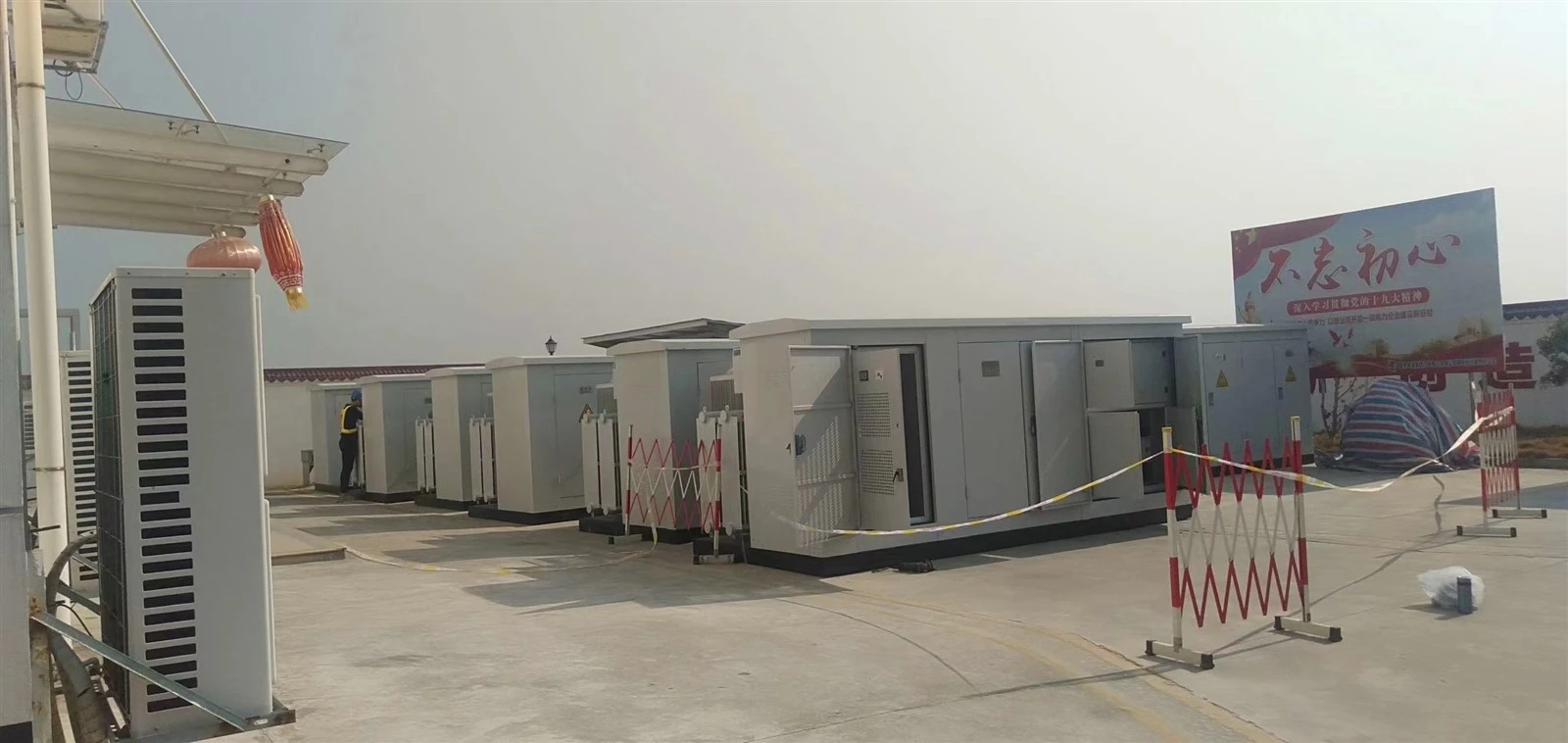
Dry-type transformers can be stored outdoors, but environmental conditions and protective measures must be taken.
Characteristics of Dry-Type Transformers
Dry-type transformers are oil-free transformers; their insulating medium is a dry solid, and they are mainly used in indoor power supply systems. Compared to oil-immersed transformers, they have the following characteristics:
Oil-free, less prone to ignition, safe and reliable;
Does not pollute the environment, easy to maintain;
Small size, light weight, easy to transport and install;
Requires less space, saving space.
Advantages and Disadvantages of Indoor vs. Outdoor Storage
Dry-type transformers can be stored either indoors or outdoors. Indoor storage ensures stable operation under constant temperature and humidity, resulting in stable electrical performance; however, it requires a larger footprint, limiting its application. Outdoor storage offers advantages such as smaller footprint, quick installation, easy maintenance, and wider applicability; however, it operates in complex natural environments and is affected by climate, temperature, and other factors.
Precautions for Outdoor Storage:
Base: A fixed base is required at the bottom of the transformer to ensure stable and safe operation.
Protective Measures: A protective cover should be installed on top of the transformer to prevent rainwater, debris, etc., from falling into the transformer and affecting its operation.
Temperature: The transformer needs to operate at a suitable temperature. When storing it outdoors, the temperature range should be determined based on the climate environment and parameters such as the transformer's rated output power.
Risk Assessment: When storing dry-type transformers outdoors, a risk assessment is required to determine whether protective measures for specific natural conditions are necessary.