
Hey there! I'm a supplier for solar farm substations, and I've been in this industry for quite a while. Today, I'm gonna share with you how a solar farm substation regulates power flow. It's a super important aspect of solar energy production, and understanding it can help you make better decisions when it comes to setting up or upgrading your solar farm.
Understanding the Basics of a Solar Farm Substation
Before we dive into how power flow is regulated, let's first understand what a solar farm substation is. A solar farm substation is like the heart of a solar power plant. It's the place where the electricity generated by the solar panels is collected, transformed, and sent off to the grid.
The substation has several key components. There are the transformers, which are used to change the voltage of the electricity. The low - voltage electricity produced by the solar panels needs to be stepped up to a higher voltage for efficient transmission over long distances to the grid. And then there are the switchgear, protection devices, and control systems that ensure the safe and reliable operation of the substation.
The Process of Power Flow in a Solar Farm
When the sun shines on the solar panels, they generate direct current (DC) electricity. But the power grid uses alternating current (AC). So, the first step in the power - flow process is to convert the DC electricity into AC using inverters.
Once the AC electricity is generated, it is sent to the substation. At the substation, the electricity is collected from multiple inverters. The voltage of this electricity is relatively low at this point.
How the Substation Regulates Power Flow
Voltage Regulation
One of the main ways a solar farm substation regulates power flow is through voltage regulation. As I mentioned earlier, transformers play a crucial role here. The substation can step up the voltage of the electricity from the inverters to a higher level, usually in the range of medium or high voltage, depending on the distance to the grid and the capacity of the solar farm.
For example, if the solar farm is located close to the grid connection point, a medium - voltage transformer might be sufficient. But if it's far away, high - voltage transformers are needed to reduce transmission losses. You can find some great High Voltage Gear that can be used in these scenarios to ensure efficient voltage regulation.
Load Balancing
Another important aspect of power - flow regulation is load balancing. Solar energy production is highly dependent on sunlight. So, the amount of electricity generated can vary throughout the day. On a clear sunny day, a solar farm can produce a large amount of electricity. But on a cloudy day or at night, the production drops significantly.
The substation needs to balance this fluctuating power output with the demand from the grid. It does this by using control systems that monitor the power flow in real - time. If there is more power being generated than the grid can handle at a given time, the substation can store the excess power in energy storage systems or reduce the power output from the solar panels. Conversely, if the demand from the grid is high and the solar production is low, the substation can draw power from energy storage or other sources to meet the demand.


Isolation and Protection
Safety is a top priority in a solar farm substation. The substation is equipped with various protection devices to isolate faulty parts of the system and prevent damage to the equipment and the grid. For example, circuit breakers can be used to cut off the power flow in case of a short - circuit or over - current situation.
These protection devices are also integrated with the control systems. When a fault is detected, the control system can quickly isolate the affected area and take appropriate action to restore normal operation as soon as possible.
Reactive Power Compensation
Reactive power is an important concept in electrical systems. It doesn't do any real work but is necessary for the operation of inductive devices like motors and transformers. In a solar farm substation, the control systems can regulate the reactive power to improve the power factor of the system.
A good power factor means that the electrical system is using the power more efficiently. The substation can inject or absorb reactive power as needed to maintain a stable power factor. This helps in reducing energy losses and improving the overall performance of the solar farm and the grid connection.
Types of Solar Farm Substations
There are different types of solar farm substations, each with its own characteristics and ways of regulating power flow.
Conventional Substations
Conventional solar farm substations are the most common type. They use traditional transformers, switchgear, and control systems. These substations are reliable and have been used in the industry for a long time. However, they can be relatively bulky and require more maintenance.
Hybrid Substations
Hybrid substations are a more modern option. They combine traditional and digital technologies. For example, they might use intelligent control systems and digital sensors to monitor and regulate the power flow more precisely. Hybrid substations are more compact, have better performance, and require less maintenance compared to conventional substations.
12 KV Substations
A 12 KV substation is a type of substation that operates at a voltage level of 12 kilovolts. These substations are often used in smaller solar farms or in areas where the grid connection requires a specific voltage level. They are designed to be cost - effective and suitable for medium - scale solar power generation.
Components of a Solar Farm Substation and Their Role in Power - Flow Regulation
Electrical Lv Panel
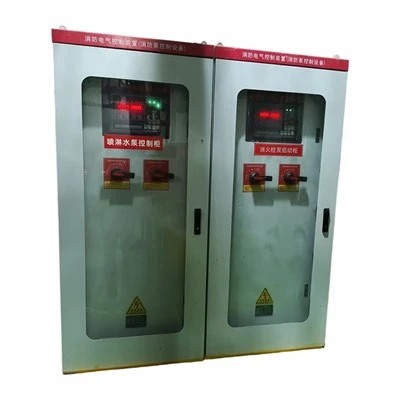
The electrical low - voltage (LV) panel is an important component of a solar farm substation. It is used to distribute the low - voltage electricity from the inverters to other parts of the substation. The LV panel also contains protection devices, such as fuses and circuit breakers, to ensure the safety of the electrical system.
Power Generation Grid - connection Cabinet
The power generation grid - connection cabinet is responsible for connecting the solar farm to the grid. It contains components like breakers, meters, and relays. The cabinet ensures that the power flow between the solar farm and the grid is safe and compliant with the grid's requirements.
Why Proper Power - Flow Regulation Matters
Proper power - flow regulation in a solar farm substation is crucial for several reasons. Firstly, it ensures the efficient operation of the solar farm. By regulating the voltage, balancing the load, and compensating for reactive power, the substation can maximize the power output of the solar panels and reduce energy losses.
Secondly, it helps in maintaining the stability of the power grid. Solar farms are becoming an increasingly important part of the energy mix, and their power output can have a significant impact on the grid. A well - regulated solar farm substation can help in integrating solar energy into the grid smoothly and without causing disruptions.
Looking to Upgrade or Set Up a Solar Farm Substation?
If you're in the market for a solar farm substation, whether you're looking to upgrade an existing one or set up a new project, I'm here to help. As a supplier with years of experience in the industry, I can provide you with high - quality substations and components that are designed to meet your specific needs.
We offer a wide range of products, from High Voltage Gear to Hybrid Substations, 12 KV Substations, Electrical Lv Panel, and Power Generation Grid - connection Cabinet. Our team of experts can also provide you with technical support and advice to ensure that your solar farm substation operates at its best.
So, if you're interested in learning more or starting a procurement process, don't hesitate to reach out. Let's work together to make your solar energy project a success!
References
- Electrical Power Systems by J. R. Lucas
- Solar Power Engineering Handbook by W. T. Thomson
- Power System Protection and Switchgear by J. Arrillaga