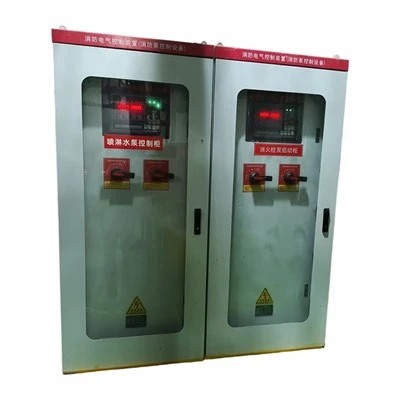

Hey there, folks! I'm part of a smart substation in smart grid supplier team, and today I wanna chat about how smart substations adapt to the smart grid's two-way power flow. It's a super interesting topic that's shaping the future of our energy landscape.
Understanding Two - Way Power Flow in the Smart Grid
First things first, let's get a handle on what two - way power flow in the smart grid actually means. Traditionally, the power grid was a one - way street. Electricity flowed from large power plants (like coal, gas, or nuclear) to consumers. But with the rise of renewable energy sources such as solar panels on rooftops and wind farms, the game has changed. Now, power can flow back from these distributed energy resources (DERs) into the grid.
This two - way power flow brings a whole bunch of benefits. It allows for better utilization of energy resources, reduces transmission losses, and promotes the integration of clean energy. However, it also poses some challenges. For example, the grid needs to be able to handle the variable nature of renewable energy sources. Solar power depends on sunlight, and wind power depends on wind speed. These fluctuations can make it tricky to maintain a stable power supply.
How Smart Substations Step In
So, how do smart substations fit into this picture? Well, they act as the control centers and traffic cops of the smart grid. They're equipped with advanced sensors, communication systems, and automation technologies that enable them to adapt to two - way power flow in several ways.
Real - Time Monitoring
One of the key features of smart substations is their ability to monitor the power flow in real - time. They can measure the amount of power coming from different sources, such as large power plants and DERs, and the amount of power being consumed by different loads. This real - time data helps grid operators to make informed decisions about how to balance the power supply and demand.
For example, if a solar farm suddenly produces more power than expected, the smart substation can detect this and adjust the power flow accordingly. It might redirect the excess power to other parts of the grid where it's needed, or store it in energy storage systems for later use.
Intelligent Control and Automation
Smart substations are also capable of intelligent control and automation. They can automatically adjust the voltage, frequency, and other parameters of the power system to ensure a stable and reliable power supply. For instance, if there's a sudden increase in power demand from a particular area, the smart substation can quickly increase the power output from the grid or from nearby energy storage systems.
Moreover, smart substations can communicate with other components of the smart grid, such as smart meters and DERs. They can send signals to these devices to adjust their power consumption or production. For example, during peak demand periods, the smart substation can send a signal to smart thermostats in homes to raise the temperature slightly, reducing the overall power demand.
Energy Storage Integration
Energy storage is a crucial part of adapting to two - way power flow, and smart substations are well - equipped to integrate energy storage systems. Batteries, flywheels, and other energy storage technologies can store excess power during periods of low demand and release it during peak demand.
Smart substations can manage the charging and discharging of these energy storage systems based on the real - time power flow data. They can ensure that the energy storage systems are charged when there's excess power in the grid and discharged when there's a shortage. This helps to balance the power supply and demand and reduces the need for expensive peaking power plants.
Our Product Offerings to Support Two - Way Power Flow
As a smart substation in smart grid supplier, we've got a range of products that are designed to support two - way power flow in the smart grid.
Electric Traction Substation
Our Electric Traction Substation is a great example. It's specifically designed for railway and other electric transportation systems. These systems often require a large amount of power, and the power flow can be two - way in some cases. Our electric traction substation can handle the high - power demands and ensure a stable power supply for the trains. It also has advanced control features that allow it to adapt to the changing power flow requirements of the transportation system.


Environmentally Friendly Gas Switchgear
We also offer Environmentally Friendly Gas Switchgear. This switchgear is an essential component of smart substations. It can control the power flow and protect the electrical equipment from faults. Our environmentally friendly gas switchgear uses a new type of gas that has a lower global warming potential than traditional SF6 gas. This not only helps to reduce the environmental impact but also meets the increasing regulatory requirements for environmental protection.
Hybrid Substation
Another product worth mentioning is our Hybrid Substation. It combines the advantages of different types of substations, such as air - insulated substations and gas - insulated substations. The hybrid substation is more flexible and can adapt to different power flow scenarios. It can handle both high - voltage and low - voltage power flow and is suitable for a wide range of applications, including urban and rural areas.
High Distribution Cabinet
Our High Distribution Cabinet is designed to distribute power efficiently in smart substations. It can handle high - current and high - voltage power flow and is equipped with advanced protection and monitoring features. The high distribution cabinet can ensure that the power is distributed evenly to different loads and can quickly detect and isolate faults to prevent power outages.
Solar Farm Substation
Lastly, our Solar Farm Substation is tailored for solar energy integration. It can handle the variable power output from solar panels and ensure that the power is smoothly fed into the grid. The solar farm substation has advanced control algorithms that can optimize the power flow based on the solar irradiance and other environmental factors.
The Future of Smart Substations in Two - Way Power Flow
Looking ahead, the role of smart substations in adapting to two - way power flow is only going to become more important. As more and more renewable energy sources are integrated into the grid, the complexity of the power flow will increase. Smart substations will need to be even more intelligent and flexible to handle these challenges.
New technologies such as artificial intelligence and blockchain are also likely to be integrated into smart substations. AI can help to analyze the large amount of real - time data and make more accurate predictions about the power flow. Blockchain can enhance the security and transparency of the power trading between different energy producers and consumers.
Let's Chat about Your Needs
If you're in the market for smart substation solutions to adapt to the smart grid's two - way power flow, we'd love to talk to you. Whether you're a utility company, a renewable energy project developer, or an industrial user, our products and expertise can help you to build a more efficient and reliable smart grid. Don't hesitate to reach out for a procurement discussion. We're here to find the best solutions for your specific needs.
References
- Brown, T., Schlachtberger, D., Kies, A., Schramm, S., Greiner, M. (2018). Cost-optimal combinations of wind power, photovoltaic and battery storage, European Journal of Energy Research.
- Sioshansi, R. (2014). Smart Grid: Infrastructure, Technology, and Solutions. Wiley.
- Katiraei, F., Iravani, M. R., Hatziargyriou, N. D., & Dimeas, A. L. (2008). Microgrids management. IEEE Transactions on Smart Grid, 1(2), 144 - 153.