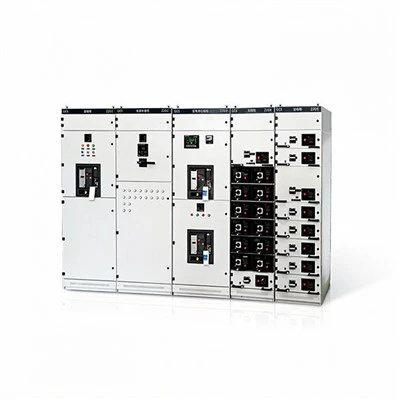

As a supplier of Low - Voltage Terminal Distribution Boxes, I often encounter questions from customers regarding the maximum load capacity of these essential electrical components. In this blog, I will delve into the factors that determine the maximum load capacity of a Low - Voltage Terminal Distribution Box, and why understanding this is crucial for both electrical engineers and end - users.
Understanding Low - Voltage Terminal Distribution Boxes
Low - Voltage Terminal Distribution Boxes are used to distribute electrical power from a main source to multiple sub - circuits. They play a vital role in ensuring that electrical energy is safely and efficiently delivered to various electrical devices and equipment. These boxes are typically installed in commercial, industrial, and residential settings.
Factors Affecting the Maximum Load Capacity
1. Conductor Size
The size of the conductors inside the distribution box is a primary factor in determining its load - carrying capacity. Larger conductors have lower resistance, which means they can carry more current without overheating. For example, a distribution box with 6 - gauge copper conductors can handle a higher load than one with 12 - gauge conductors. When designing a distribution box, engineers must carefully select the conductor size based on the expected load.
2. Circuit Breaker Ratings
Circuit breakers are installed in the distribution box to protect the electrical system from over - current. The rating of the circuit breakers directly affects the maximum load capacity of the box. For instance, if a distribution box is equipped with 20 - ampere circuit breakers, the maximum continuous load on each circuit should not exceed 20 amperes. Exceeding this rating can cause the circuit breaker to trip, interrupting the power supply.


3. Ambient Temperature
The ambient temperature where the distribution box is installed also impacts its load capacity. High temperatures can reduce the ability of the conductors to dissipate heat, which in turn limits the amount of current they can carry. In hot environments, the maximum load capacity of the distribution box may need to be derated. For example, if a distribution box is rated for a certain load at 25°C, its capacity may be reduced at 40°C.
4. Ventilation
Proper ventilation is essential for maintaining the temperature inside the distribution box. Good ventilation helps to dissipate heat generated by the electrical components, allowing the box to handle a higher load. A distribution box with inadequate ventilation may overheat, leading to a decrease in its load - carrying capacity and potentially causing damage to the components.
Calculating the Maximum Load Capacity
To calculate the maximum load capacity of a Low - Voltage Terminal Distribution Box, we need to consider the factors mentioned above. First, we determine the ampacity of the conductors based on their size and the ambient temperature. Then, we take into account the ratings of the circuit breakers.
Let's assume we have a distribution box with 10 - gauge copper conductors and 15 - ampere circuit breakers. According to the National Electrical Code (NEC), the ampacity of 10 - gauge copper conductors at 60°C is 30 amperes. However, since the circuit breakers are rated at 15 amperes, the maximum load on each circuit is limited to 15 amperes.
If the distribution box has multiple circuits, we sum up the maximum loads of all the circuits to get the total maximum load capacity of the box. For example, if the box has 5 circuits, each with a 15 - ampere maximum load, the total maximum load capacity is 75 amperes.
Importance of Knowing the Maximum Load Capacity
1. Safety
Knowing the maximum load capacity of a distribution box is crucial for safety. Overloading a distribution box can lead to overheating, which may cause insulation breakdown, short circuits, and even fires. By ensuring that the load does not exceed the box's capacity, we can prevent these dangerous situations.
2. Equipment Performance
Electrical equipment operates most efficiently when it is supplied with the appropriate amount of power. If the load on a distribution box exceeds its capacity, the voltage may drop, affecting the performance of the connected equipment. This can lead to malfunctions, reduced lifespan of the equipment, and increased energy consumption.
3. Code Compliance
Electrical codes and standards, such as the NEC, specify the requirements for the design and installation of distribution boxes. Adhering to these codes is mandatory to ensure the safety and reliability of the electrical system. By understanding and respecting the maximum load capacity of the distribution box, we can ensure code compliance.
Related Products and Technologies
As a supplier, we also offer a range of related products and technologies that can enhance the performance and functionality of Low - Voltage Terminal Distribution Boxes. For example, Fixed Switchgear provides a reliable and cost - effective solution for power distribution. High Voltage Gear is suitable for applications where higher voltage levels are required. Intelligent Substation technology enables advanced monitoring and control of the electrical system. Low Tension Switchgear is designed for low - voltage applications, and General Electric Low Voltage Switchgear offers high - quality and reliable performance.
Conclusion
In conclusion, the maximum load capacity of a Low - Voltage Terminal Distribution Box is determined by several factors, including conductor size, circuit breaker ratings, ambient temperature, and ventilation. Understanding these factors is essential for ensuring the safety, performance, and code compliance of the electrical system. As a supplier, we are committed to providing high - quality distribution boxes and related products to meet the diverse needs of our customers.
If you are interested in learning more about our Low - Voltage Terminal Distribution Boxes or other power - distribution products, we invite you to contact us for a detailed discussion. Our team of experts is ready to assist you in selecting the right products for your specific requirements and to provide professional advice on installation and maintenance.
References
- National Electrical Code (NEC)
- Electrical Engineering Handbook