
Hey there! As a supplier of Fire Pump Control Cabinet, I've seen firsthand how crucial the self-diagnosis function of these cabinets is. In this blog, I'll break down what these functions are and why they matter big time.
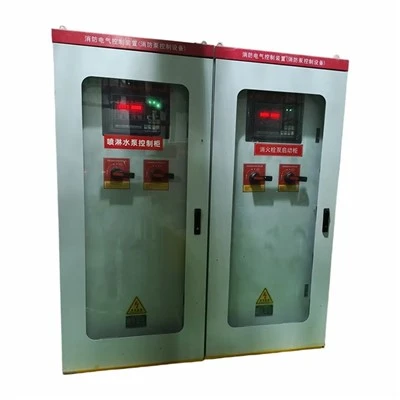
Let's start with the basics. A fire pump control cabinet is the brain behind the operation of a fire pump system. It's designed to monitor, control, and protect the fire pump. And the self-diagnosis function? Well, it's like having a built-in doctor for your fire pump system.
One of the primary functions of the self-diagnosis function is to detect equipment failures. It constantly checks all the components of the fire pump control cabinet, like the relays, contactors, and circuit breakers. If there's something wrong, say a relay is stuck or a circuit breaker has tripped, the self-diagnosis system will pick it up right away. This early detection is super important because it allows for quick repairs. You don't want to find out about a faulty component when there's a fire, right? By spotting these issues early, we can avoid costly downtime and make sure the fire pump is always ready to go.
Another key function is monitoring electrical parameters. The self-diagnosis system keeps an eye on things like voltage, current, and power. It can detect if the voltage is too high or too low, or if there's an abnormal current draw. Electrical problems can be a silent killer for fire pump systems. For example, a low voltage could cause the pump to run less efficiently, and over time, it might even damage the motor. By constantly monitoring these parameters, the control cabinet can alert us if there's a potential issue, so we can take action before anything serious happens.
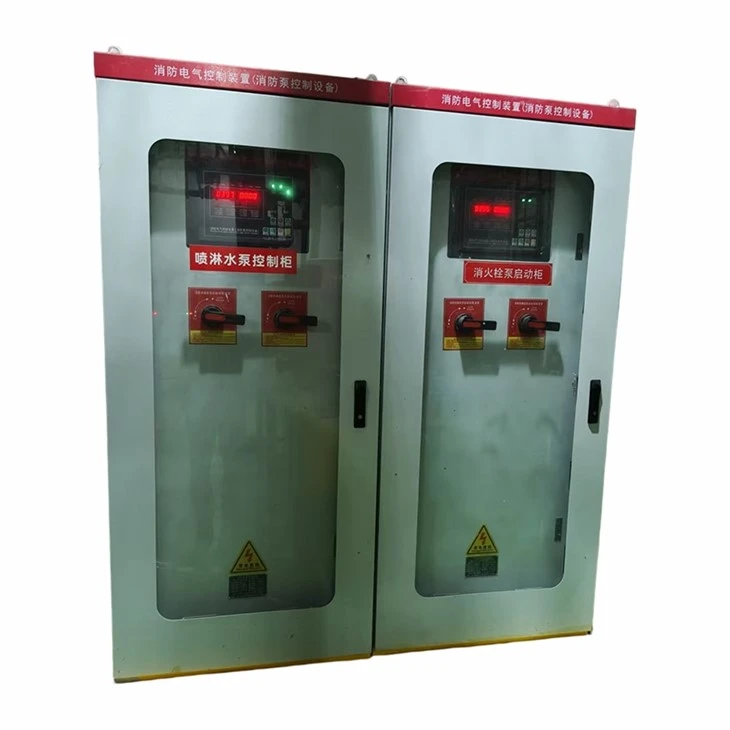

The self-diagnosis function also helps with checking the communication interfaces. In modern fire pump control systems, there are often communication links to other building systems, like the fire alarm system or the building management system. The self-diagnosis system makes sure these communication channels are working properly. If there's a communication failure, it can lead to a breakdown in the overall fire safety system. For instance, if the fire pump can't receive a signal from the fire alarm to start running, it's a huge problem. So, having the self-diagnosis function to keep tabs on these interfaces is a game-changer.
It's also great for troubleshooting. When there's an issue with the fire pump system, it can be a real headache to figure out what's wrong. But with the self-diagnosis function, it provides detailed diagnostic information. It can tell us exactly which component is malfunctioning, what the symptoms are, and sometimes even give suggestions on how to fix it. This saves a ton of time for technicians. Instead of spending hours trying to find the root cause, they can quickly zero in on the problem and get to work on fixing it.
Now, let's talk about how the self-diagnosis function impacts the reliability of the fire pump system. Fire pumps are a critical part of any fire safety setup. They need to work perfectly when called upon. The self-diagnosis function significantly enhances the reliability of these systems. By continuously monitoring and detecting issues early, it reduces the chances of a failure during a fire emergency. In a way, it's like having an extra layer of protection for the building and the people inside.
In addition to reliability, the self-diagnosis function also plays a role in maintenance. It provides valuable data for preventive maintenance. We can use the diagnostic information to schedule maintenance tasks more effectively. For example, if the system detects that a particular component is starting to show signs of wear, we can plan to replace it before it fails completely. This proactive approach to maintenance not only extends the lifespan of the fire pump system but also reduces the overall maintenance costs.
When it comes to our Fire Pump Control Cabinet, we've really focused on making the self-diagnosis function top-notch. We use the latest technology to ensure accurate and comprehensive monitoring. Our control cabinets are also designed to be user-friendly, so it's easy for technicians and facility managers to understand the diagnostic information.
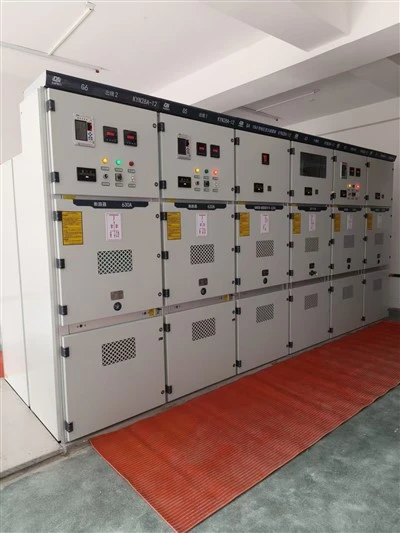
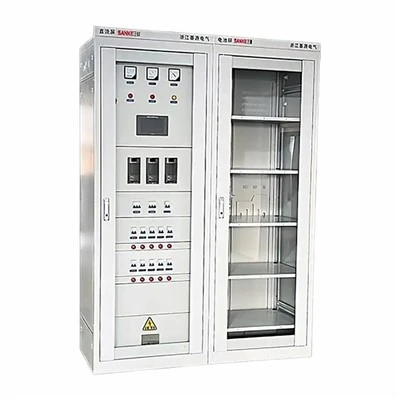
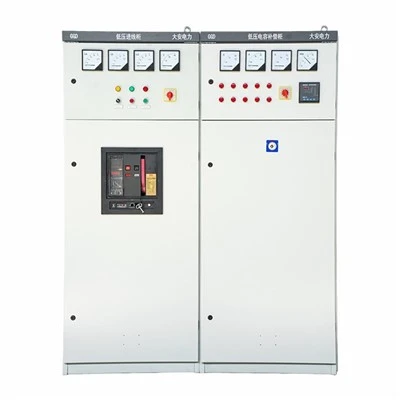
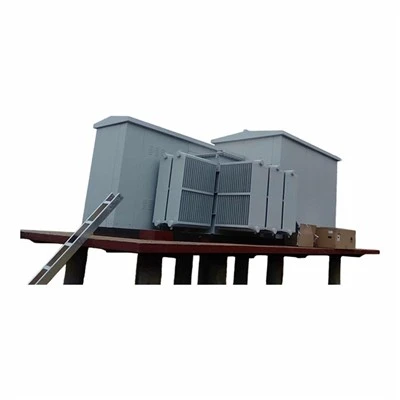
By the way, we also supply other related products, such as Electrical Lv Panel, Fixed Switchgear, Low and Medium Voltage Switchgear, and Low-Voltage Terminal Distribution Box. These products work together to create a complete power distribution and control solution for your fire safety needs.
If you're in the market for a fire pump control cabinet or any of our other products, we're here to help. Our self-diagnosis function is just one of the many features that make our products stand out. We're committed to providing high-quality, reliable solutions that will keep your building safe. Whether you're a contractor, a facility manager, or an engineer, we can work with you to find the right products for your specific requirements. So, don't hesitate to get in touch with us for more information and to start the procurement discussion.
References
- General knowledge about fire pump systems and control cabinets.
- Industry standards and best practices for fire safety equipment.